What Is Localization and Why Is It Important?

Updated: Aug 18
When businesses expand into international markets, simply translating their content into another language is often not enough. Words may be translated accurately, but the message can still feel unfamiliar, unnatural, or irrelevant to the target audience.
This is where localization comes in.
Localization is the process of adapting content, products, services, or communication to suit the language, culture, expectations, and preferences of a specific target market. It goes beyond translating words—it focuses on making the content feel as though it was originally created for the people who will read or use it.
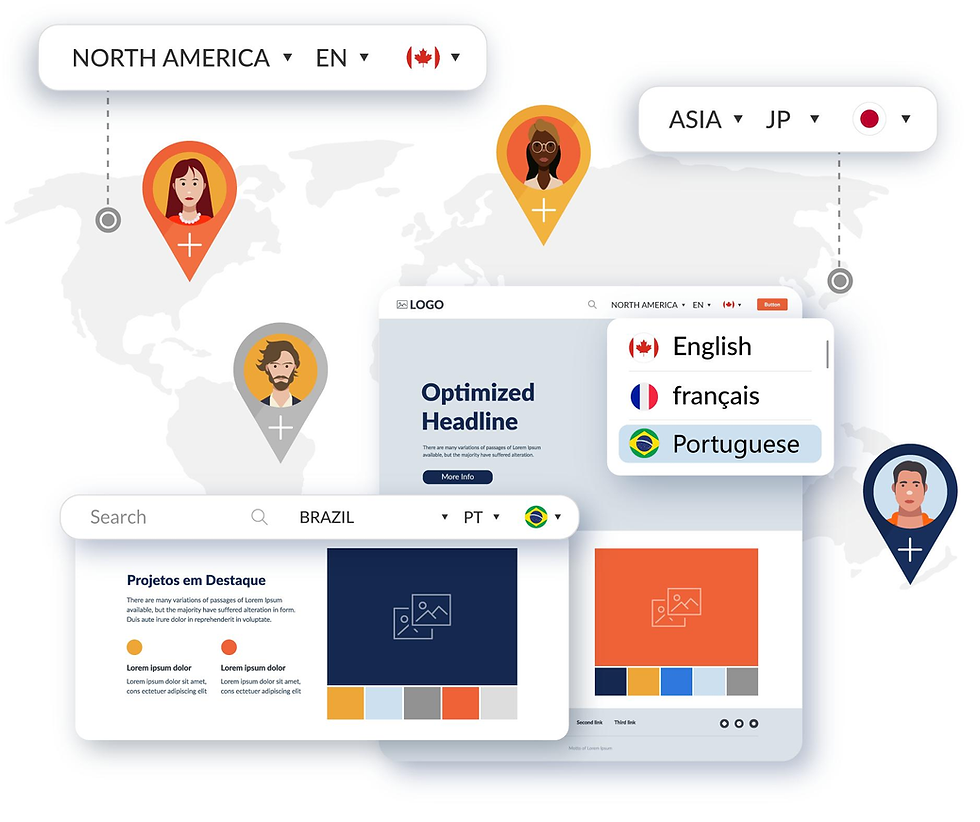
What Is Localization?
Localization involves adapting content to the linguistic and cultural context of a particular region or audience.
For example, a company expanding from an English-speaking market into Türkiye may need to adapt more than its website text. It may also need to consider:
Local expressions and terminology
Date and time formats
Currency and measurements
Cultural references
Images and visual elements
Tone and communication style
Local purchasing habits
Legal or regulatory requirements
User expectations
The goal is to create an experience that feels natural and familiar to the target audience.
Translation vs. Localization
Translation and localization are closely connected, but they are not exactly the same.
Translation focuses primarily on transferring meaning from one language to another while maintaining accuracy and clarity.
Localization takes this process further by adapting the content to the cultural and contextual expectations of the target audience.
For example, a literal translation may communicate the correct meaning of a phrase but still sound awkward or unnatural to a native speaker. A localized version would consider how people in the target market would normally express the same idea.
In other words:
Translation asks:
"How can we communicate this message in another language?"
Localization asks:
"How can we communicate this message naturally and effectively to this particular audience?"
Both are important, but localization becomes especially valuable when businesses want to establish a genuine presence in another market.
Why Is Localization Important?
1. It Helps Businesses Connect With Local Audiences
People are more likely to engage with content that feels familiar and relevant.
A localized website, advertisement, or social media campaign can demonstrate that a business understands the language and culture of its target customers.
This can help create a stronger connection between a brand and its audience.
2. It Improves the Customer Experience
Imagine visiting a website that has been translated into your language, but the wording feels unnatural, the currency is unfamiliar, and the examples do not reflect your local environment.
The information may technically be understandable, but the experience may not feel polished.
Localization addresses these issues by adapting the overall experience to the target market.
3. It Builds Trust and Credibility
Customers often form an impression of a business based on how clearly and naturally it communicates.
Poorly translated or culturally inappropriate content can make a company appear careless or inexperienced.
On the other hand, well-localized content can demonstrate attention to detail and respect for the target audience.
For businesses entering new markets, this can make a meaningful difference.
4. It Supports International Marketing
Marketing messages do not always work equally well across different cultures.
A slogan, joke, metaphor, or advertising concept that works perfectly in one country may have a completely different effect somewhere else.
Localization allows businesses to adapt their marketing content while preserving the original purpose and message of the campaign.
This can apply to:
Websites
Social media content
Advertisements
Product descriptions
Email campaigns
Brochures
Blog posts
Video subtitles and scripts
5. It Helps Businesses Avoid Cultural Mistakes
Cultural differences can affect how people interpret words, images, colors, symbols, humor, and even certain gestures.
Something that appears harmless in one culture may be confusing or inappropriate in another.
Localization helps businesses identify and address these differences before their content reaches the target audience.
Localization Is More Than Replacing Words
One of the biggest misconceptions about localization is that it simply means translating every word into another language.
In reality, effective localization considers the entire communication experience.
For example, a localized e-commerce website may need to adapt:e:
Currency
Payment methods
Shipping information
Product measurements
Address formats
Customer support language
Promotional messages
Calls to action
Similarly, a mobile application may require adaptation of its interface, menus, notifications, date formats, and user instructions.
The language is only one part of the process.
Examples of Localization
Consider a company selling clothing internationally.
A simple translation of its product descriptions may be grammatically correct. However, customers in different markets may use different terms for clothing items, sizes, materials, and styles.
A localized product page could therefore adapt:
Language: Use terminology familiar to local customers.
Measurements: Present sizes and measurements in the formats customers expect.
Currency: Display prices in the appropriate local currency.
Marketing: Adapt promotional messages to local preferences.
Cultural references: Avoid references that may not be meaningful or appropriate to the target audience.
The result is a customer experience that feels much more natural.
Who Can Benefit From Localization?
Localization can be particularly valuable for businesses that operate internationally or plan to enter new markets.
This includes:
E-commerce businesses
Technology companies
Software and app developers
Tourism businesses
Financial services
Educational organizations
Marketing agencies
International organizations
Startups
Content creators
Even small businesses can benefit from localization if they communicate with customers from different linguistic and cultural backgrounds.

Localization and Human Expertise
Technology can assist with many aspects of translation and localization, but human expertise remains important when cultural context, tone, nuance, and audience expectations matter.
A human translator or language professional can recognize when a direct translation does not communicate the intended message naturally.
They can also consider the context behind the content and adapt it appropriately for the target audience.
This is particularly important for marketing materials, business communication, websites, and other content where the way something is communicated can be just as important as the information itself.
Final Thoughts
Localization helps businesses move beyond simply speaking another language.
It allows them to communicate in a way that feels natural, relevant, and appropriate to the people they want to reach.
For businesses entering international markets, effective localization can improve the customer experience, strengthen credibility, support marketing efforts, and help build stronger relationships with local audiences.
Ultimately, successful international communication is not only about translating words. It is about understanding the people behind those words.
At TranslateWise, I believe that effective multilingual communication should preserve not only the meaning of your content but also its purpose, tone, and relevance to your audience.


Comments